 +974 4448 3000

Laser Hair Removal in Qatar: What to Expect During and After Treatment
Unwanted body hair can be frustrating to manage, especially in a country like Qatar where the hot and humid climate can make frequent shaving and waxing uncomfortable. Constant hair removal often leads to skin irritation, razor burns, and ingrown hairs. That’s why laser hair removal in Qatar has become one of the most popular and effective aesthetic treatments for individuals seeking a long-term reduction in unwanted hair.
Unlike temporary methods, laser hair removal in Qatar targets the hair follicles directly, helping to significantly reduce hair growth over time while promoting smoother, clearer skin. It is an ideal solution for those who want to save time on regular grooming, avoid skin irritation, and enjoy lasting results. Whether you’re considering treatment for your face, underarms, legs, bikini area, or full body, understanding how the procedure works and what to expect is essential.
This comprehensive guide to laser hair removal in Qatar walks you through every step of the journey—from pre-treatment preparation and the treatment process itself to post-care tips and long-term results—so you can make a confident and informed decision about achieving smooth, hair-free skin.
How It Works
● Targets Melanin in Hair Follicles: The laser emits a precise beam of light that gets absorbed by the pigment (melanin) in hair. This heat energy damages the follicle, reducing its ability to grow new hair.
● Works in Stages: Hair grows in three cycles:
➔ Anagen (active growth phase): The best stage for treatment since the laser can effectively disable the follicle.
➔ Catagen (transitional phase): The hair stops growing but is still attached to the follicle.
➔ Telogen (resting phase): The hair eventually falls out, but the follicle remains intact.
● Requires Multiple Sessions: Since only anagen-phase hair is affected, several sessions are needed to catch all hairs at the right time.
● Different Lasers for Different Skin Types: Each skin type has a laser type that’s most suitable.
Here’s a quick look at them:
➔ Alexandrite Laser: Works best for fair to medium skin tones with dark hair and provides quick results.
➔ Diode Laser: Effective for all skin types, offering deep penetration and long-term results.
➔ Nd:YAG Laser: Ideal for darker skin tones, as it bypasses surface melanin to prevent burns or pigmentation issues.
Key Benefits of Laser Hair Removal
Laser hair removal offers several advantages over traditional methods, making it a preferred choice for long-term hair reduction. Besides convenience, it also contributes to better skin health by reducing common problems like ingrown hairs and razor burns.
Here are the top benefits of laser hair removal:
It reduces hair growth over time:
One of the biggest advantages of laser hair removal is that it offers long-term hair reduction, unlike traditional methods such as shaving, waxing, or depilatory creams, which only provide temporary results. After completing multiple sessions, many individuals experience up to 80-90% permanent hair reduction, with any regrowth being finer and lighter.
No more skin irritation:
Another major benefit is the elimination of ingrown hairs and skin irritation that often come with shaving and waxing. Laser treatments help smoothen the skin, making it a popular choice for sensitive areas like the face, bikini line, and underarms.
Saves money in the long run:
While the upfront cost of laser hair removal may seem higher than traditional methods, in the long run, it saves both time and money by reducing the need for frequent waxing or shaving. Instead of spending money on razors, waxing appointments, or hair removal creams, laser treatments provide a more cost-effective solution.
Who Can Benefit from Laser Hair Removal?
Laser hair removal is suitable for both men and women looking for a semi-permanent solution to unwanted hair. However, the treatment works best on specific hair and skin types, and certain medical conditions may require a consultation before proceeding.
Best Candidates for Laser Hair Removal
● People with dark, coarse hair and lighter skin respond best to laser treatment because the contrast helps the laser target the hair effectively.
● Those with darker skin tones can still benefit from Nd:YAG lasers, designed to penetrate deeper without affecting skin pigment.
● Suitable areas include legs, arms, face, underarms, bikini line, and back, making it an option for both aesthetic and hygiene purposes.
Who Should Avoid Laser Hair Removal?
● Pregnant women are advised to avoid laser treatments due to hormonal changes that may affect results.
● People with certain skin conditions like eczema, psoriasis, or active acne should consult a dermatologist before undergoing treatment.
● If you’re using photosensitive medications (like Accutane or retinoids), laser treatment may increase the risk of burns or pigmentation issues.
What to Expect Before, During, and After Treatment
Laser hair removal is a multi-step process that requires proper preparation, an understanding of the treatment itself, and diligent aftercare to achieve the best results. Each stage plays a crucial role in ensuring the procedure is safe, effective, and comfortable.
Below is a detailed breakdown of what to expect before, during, and after your laser hair removal session:
Pre-Treatment Preparation
Before your laser session, you need to prepare your skin. This means taking the necessary precautions. Preparing your skin properly before your laser hair removal session reduces the risk of irritation, burns, or ineffective results. Skipping important pre-care steps can make the treatment less effective and increase discomfort.
Here’s how to prepare:
● Avoid Sun Exposure (At Least 2 Weeks Before Treatment)
Why? Laser hair removal works best on untanned, natural skin tones. Sun exposure increases the risk of hyperpigmentation, burns, and irritation after the treatment.
How to Protect Your Skin:
● Avoid direct sunlight, tanning beds, and self-tanning products.
● If you need to go outside, apply SPF 50+ sunscreen and wear protective clothing.
● If your skin is sunburned or tanned, your session may need to be rescheduled for safety reasons.
● Stop Waxing, Plucking, or Epilating (4 Weeks Before Treatment)
Why? The laser targets the root of the hair, so if you remove it through waxing or plucking, the laser won’t be able to detect and destroy the follicle.
What You Can Do Instead:
Shaving is allowed, as it only removes hair at the surface while keeping the root intact.
If you recently waxed, you may need to wait until new hair starts growing back before beginning treatment.
● Shave the Treatment Area (24 Hours Before Your Appointment)
Why? Long hair on the surface can cause burning sensations as the laser heats the strands instead of directly targeting the follicle.
Best Practices for Shaving:
● Use a fresh razor to avoid skin irritation or infection
● Apply a moisturizing shaving gel to prevent razor burns
● Do NOT dry shave, as this can cause micro-cuts that may become irritated during the laser session
● Avoid Certain Skincare Products & Medications
Why? Some products and medications can make your skin more sensitive, increasing the risk of burns or irritation.
What to Avoid:
● Retinol, glycolic acid, and salicylic acid (stop using 3-5 days before treatment)
● Photosensitizing medications, such as antibiotics or Accutane (consult your doctor first)
● Lotions, deodorants, or perfumes on the treatment area on the day of your session
The Laser Hair Removal Procedure
The laser hair removal process is quick, non-invasive, and relatively painless, depending on the area being treated and your individual pain tolerance. Most sessions at the best plastic surgery clinics like Marble Medical Centre last between 10 to 60 minutes, depending on the size of the treatment area.
Here’s a step-by-step breakdown of the process:
Step 1: Skin Cleansing & Preparation
● The technician will cleanse the treatment area to remove any oils, lotions, or debris that could interfere with the laser.
● In sensitive areas (bikini, face, underarms), a numbing cream may be applied to minimize discomfort.
● Protective eye goggles are provided to shield your eyes from the laser light.
Step 2: Laser Application
● The technician will use a handheld laser device that emits pulses of light to target your hair follicles.
● The sensation varies. Most describe it as a rubber band snapping against the skin, while others feel a mild warm tingling.
● Some laser devices include a cooling mechanism to reduce discomfort.
Step 3: Immediate Aftercare
● Once the session is complete, a cooling gel, ice pack, or soothing lotion is applied to calm the skin.
● There may be slight redness or swelling, similar to a mild sunburn, which usually disappears within a few hours.
Aftercare Tips & Healing Process
Laser-treated skin is more sensitive for the first few days after treatment. Following the correct aftercare routine prevents irritation, speeds up healing, and enhances results.
Here’s what you can expect and how to deal with it:
● The treated area may feel warm, slightly swollen, or tender, similar to a mild sunburn in the first 24 hours. You can apply a fragrance-free, cooling gel (like aloe vera) to soothe the skin. Avoid touching, scratching, or picking at the area to prevent irritation.
● Heat can increase skin sensitivity and lead to discomfort. So stick to lukewarm water when showering. Also avoid intense workouts, hot baths, saunas, and steam rooms for two days.
● The treated hair will shed naturally within 7-14 days. Avoid pulling or plucking hairs, as this can interfere with the laser’s effects. If necessary, you may shave between sessions, but avoid other hair removal methods.
● Keep the skin hydrated with a gentle, fragrance-free moisturizer to prevent dryness. Avoid harsh exfoliants, scrubs, or chemical peels for at least one week.
● Treated skin is more prone to sun damage, so sun protection is essential. Apply broad-spectrum SPF 50+ sunscreen if exposed to sunlight. But generally, avoid prolonged sun exposure, as UV rays can cause hyperpigmentation on laser-treated skin.
What to Expect in the Weeks & Months After Treatment
Treated hair will gradually fall out, giving the appearance of hair regrowth, but this is normal shedding. Exfoliate gently with a soft washcloth or loofah to help loosen shedding hairs.
Sometimes, however, you may need multiple sessions, close to 6-8 sessions, spaced 4-6 weeks apart, for best results. Some areas may even require touch-up sessions every 6-12 months to maintain smooth skin.
But after several sessions, hair becomes lighter, finer, and sparser. Many people experience 80-90% hair reduction after completing their treatments. While not 100% permanent, results can last for years with occasional maintenance treatments.
Working with the experts at Marble Medical Centre makes the whole process easier. The centre is known for guiding patients from the consultation stage to recovery, offering personalised care throughout. With these tips and support from Marble Medical Centre’s medical staff, laser hair removal becomes safe and effortless.
Ready for laser hair removal? Schedule your consultation today!
Related Post
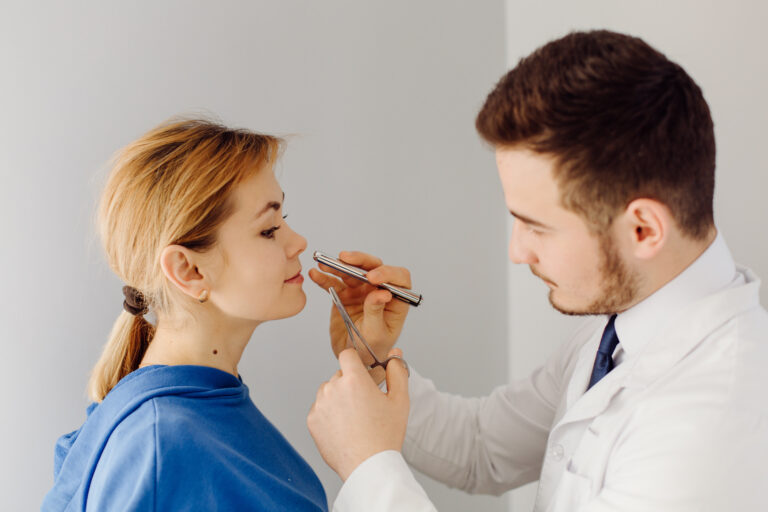
Chin and Cheek Augmentation: Get a Balanced Facial Profile at Dafna
Achieving a balanced, harmonious facial profile is one of the most sought-after goals in modern aesthetics. The structure of the…
Read More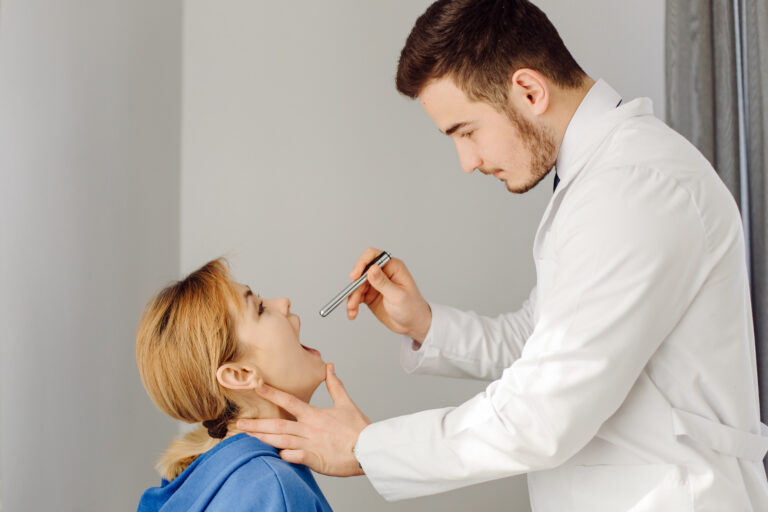
Why Marble Medicals in Lusail Is the Premier Choice for ENT Treatments in Qatar?
Discover Exceptional ENT Treatments in Qatar at Marble Medicals Have you ever struggled with persistent ear pain, chronic sinus infections,…
Read MoreWE ACCEPT THE HOLDERS OF



For any inquiries or concerns about insurance, please feel free to contact us via email or phone at insurance@mmc-qa.com | +974 4448 3003.



For any inquiries or concerns about insurance, please feel free to contact us via email or phone at insurance@mmc-qa.com | +974 4448 3003.

For any inquiries or concerns about insurance, please feel free to contact us via email or phone at insurance@mmc-qa.com | +974 4448 3003.

For any inquiries or concerns about insurance, please feel free to contact us via email or phone at insurance@mmc-qa.com | +974 4448 3003.